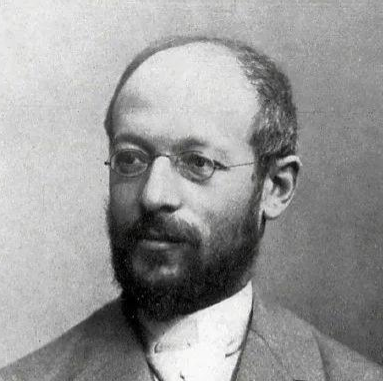
格奧爾格·齊美爾
德國社會學(xué)家、哲學(xué)家
現(xiàn)代性的本質(zhì)是心理主義,即根據(jù)我們內(nèi)心生活的反應(yīng)來體驗(yàn)和解釋世界,確實(shí)作為一種內(nèi)在性。
The individual has become a mere cog in an enormous organization of things and powers which tear from his hands all progress, spirituality, and value in order to transform them from their subjective form into the form of a purely objective life.
個(gè)人已經(jīng)成為一個(gè)巨大組織和力量的齒輪,這個(gè)組織從他手中奪走了所有的進(jìn)步、精神和價(jià)值,以便將它們從主觀形式轉(zhuǎn)變?yōu)榧兇饪陀^生活的形式。
Money is concerned only with what is common to all: it asks for the exchange value, it reduces all quality and individuality to the question: How much?
金錢只關(guān)心所有人共有的東西:它要求交換價(jià)值,它將所有質(zhì)量和個(gè)性歸結(jié)為問題:多少?
The metropolis exacts from man as a discriminating creature a different amount of consciousness than does rural life.
大都市作為一個(gè)有辨別力的生物,要求人比鄉(xiāng)村生活更多的意識。
The stranger is close to us, insofar as we feel between him and ourselves common features of a national, social, occupational, or generally human, nature. He is far from us, insofar as these common features extend beyond him or us, and connect us only because they connect a great many people.
陌生人與我們接近,因?yàn)槲覀冊谒麄兒臀覀冏约褐g感受到民族、社會、職業(yè)或一般人類本性的共同特征。他們遠(yuǎn)離我們,因?yàn)檫@些共同特征超越了他們或我們,并且只因?yàn)樗鼈冞B接了許多人而連接我們。
The deepest problems of modern life derive from the claim of the individual to preserve the autonomy and individuality of his existence in the face of overwhelming social forces, of historical heritage, of external culture, and of the technique of life.
現(xiàn)代生活最深刻的問題源于個(gè)人在面對壓倒性的社會力量、歷史遺產(chǎn)、外部文化和生活技術(shù)時(shí),要求保持其存在的自主性和個(gè)性。