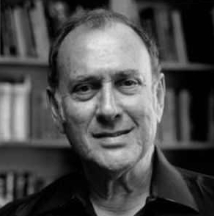
哈羅德·品特
2005年被授予諾貝爾文學(xué)獎(jiǎng)
對(duì)驗(yàn)證的渴望是可以理解的,但不能總是得到滿足。
I have never been able to write a happy play. I can't. I can write a funny play, but I can't write a happy play.
我從未能寫出一部快樂(lè)的戲劇。我不能。我可以寫一部有趣的戲劇,但我不能寫一部快樂(lè)的戲劇。
The speech we hear is an indication of that which we don't hear. It is a necessary avoidance, a violent, sly, anguished or mocking smokescreen which keeps the other in its place.
我們聽(tīng)到的言語(yǔ)是我們聽(tīng)不到的言語(yǔ)的指示。它是一種必要的回避,一種暴力的、狡猾的、痛苦的或嘲笑的煙幕,使對(duì)方保持在它的位置上。
I think that we communicate only too well, in our silence, in what is unsaid, and that what takes place is a continual evasion, desperate rearguard attempts to keep ourselves to ourselves.
我認(rèn)為我們?cè)诔聊小⒃谖凑f(shuō)出口的話中溝通得非常好,而發(fā)生的事情是一種持續(xù)的逃避,是絕望的后衛(wèi)嘗試,以保持我們自己。
A play is not an essay, nor should it be treated as such.
戲劇不是散文,也不應(yīng)該被當(dāng)作散文來(lái)對(duì)待。
The more acute the experience, the less articulate its expression.
體驗(yàn)越強(qiáng)烈,表達(dá)就越不清晰。
One way of looking at speech is to say that it is a constant stratagem to cover nakedness.
看待言語(yǔ)的一種方式是,它是一種不斷掩蓋赤裸裸真相的策略。
There are no hard distinctions between what is real and what is unreal, nor between what is true and what is false. A thing is not necessarily either true or false; it can be both true and false.
在真實(shí)與不真實(shí)之間,在真與假之間,沒(méi)有嚴(yán)格的區(qū)別。一件事不一定是非真即假;它可以是既真又假。
The past is what you remember, imagine you remember, convince yourself you remember, or pretend you remember.
過(guò)去是你記得的、你想象你記得的、你確信你記得的、或者你假裝記得的。