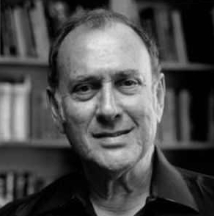
哈羅德·品特
2005年被授予諾貝爾文學(xué)獎(jiǎng)
There are no hard distinctions between what is real and what is unreal, nor between what is true and what is false. A thing is not necessarily either true or false; it can be both true and false.
The past is what you remember, imagine you remember, convince yourself you remember, or pretend you remember.
I have often been asked how my plays come about. I cannot say. Nor can I ever sum them up. I can only say that this is what happened. That is what they said. That is what they did.
我經(jīng)常被問及我的劇本是如何產(chǎn)生的。我說不上來。我也無法總結(jié)它們。我只能說這就是發(fā)生的事情。這就是他們說的。這就是他們做的。
The past is a foreign country; they do things differently there.
過去是一個(gè)外國;他們?cè)谀抢镒霾煌氖虑椤?/div>
A moment is a small piece of time, but it can be a very important piece of time.
片刻是時(shí)間的一小部分,但它可能是非常重要的一部分。
The speech we hear is an indication of that which we don't hear.
我們聽到的言語是我們聽不到的暗示。
I think that we communicate only too well, in our silence, in what is unsaid, and that what takes place is a continual evasion, desperate rearguard attempts to keep ourselves to ourselves.
The more acute the experience, the less articulate its expression.
A thing is not necessarily either true or false; it can be both true and false.
一件事不一定是真的或假的;它可能既是真的又是假的。
There are some things one remembers even though they may never have happened.
有些事情即使從未發(fā)生過,人們也會(huì)記得。
The past is what you remember, imagine you remember, convince yourself you remember, or pretend you remember.
A moment is sucked away, distorted, is no longer itself, has lost its body, has abandoned its soul.
一個(gè)瞬間被吸走,被扭曲,不再是自己,失去了它的身體,放棄了它的靈魂。
The desire for verification is understandable but cannot always be satisfied.