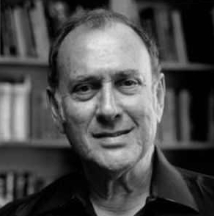
哈羅德·品特
2005年被授予諾貝爾文學(xué)獎(jiǎng)
在你來得及描述它之前,一個(gè)瞬間就已經(jīng)消逝了。
Writing for the theatre is always a kind of confrontation.
I tend to think that the camera is much more truthful than the human eye.
我傾向于認(rèn)為相機(jī)比人眼更真實(shí)。
The more acute the experience, the less articulate its expression.
I think that we communicate only too well, in our silence, in what is unsaid.
我認(rèn)為我們在沉默中、在未說出口的話中,已經(jīng)溝通得足夠好了。
There are no hard distinctions between what is real and what is unreal, nor between what is true and what is false.
在真實(shí)與不真實(shí)之間,在真實(shí)與虛假之間,并沒有嚴(yán)格的界限。
The past is what you remember, imagine you remember, convince yourself you remember, or pretend you remember.
One way of looking at speech is to say that it is a constant stratagem to cover nakedness.
The speech we hear is an indication of that which we don't hear. It is a necessary avoidance, a violent, sly, anguished or mocking smokescreen which keeps the other in its place.
One way of looking at speech is to say that it is a constant stratagem to cover nakedness.
I tend to think that the longer the pause, the more emphatic the statement.
我傾向于認(rèn)為停頓越長,陳述就越有力。
I have often been asked how my plays come about. I cannot say. Nor can I ever sum up my plays, except to say that this is what happened. That is what they said. That is what they did.
我經(jīng)常被問及我的劇本是如何產(chǎn)生的。我說不出來。我也無法總結(jié)我的劇本,只能說這就是發(fā)生的事情。這就是他們所說的。這就是他們所做的事情。
The closer you are to death, the more alive you feel. It's a wonderful way to live. It's the only way to live.
你離死亡越近,你就越感到活著。這是一種美妙的生存方式。這是唯一的生存方式。