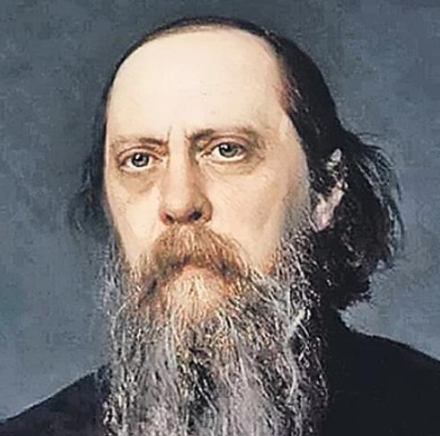
薩爾蒂科夫·謝德林
俄國杰出的現(xiàn)實主義作家
The greatest enemy of knowledge is not ignorance, it is the illusion of knowledge.
知識的最大敵人不是無知,而是知識的幻覺。
The true measure of a man is how he treats someone who can do him absolutely no good.
衡量一個人的真正標(biāo)準(zhǔn)是他如何對待那些對他毫無益處的人。
The strength of a state is in the well-being of its people.
國家的力量在于其人民的福祉。
A society that does not recognize the rights of its citizens is doomed to decay.
不承認(rèn)公民權(quán)利的社會注定要衰敗。
The essence of power is the ability to make others do what they do not want to do.
權(quán)力的本質(zhì)是使他人做他們不想做的事情的能力。
The more laws, the less justice.
法律越多,正義越少。
The main thing in life is not to stop questioning. Curiosity has its own reason for existing.
生活中最重要的是不要停止提問。好奇心有其存在的理由。
The history of a nation is, in essence, the history of its ruling class.
一個民族的歷史,本質(zhì)上是其統(tǒng)治階級的歷史。
In Russia, the severity of laws is compensated for by the fact that it is not necessary to execute them.
在俄羅斯,法律的嚴(yán)厲性因其不必執(zhí)行而得到補(bǔ)償。
The strictness of Russian laws is softened by the non-obligatory nature of their execution.
俄羅斯法律的嚴(yán)格性因其執(zhí)行的非強(qiáng)制性而得到緩解。