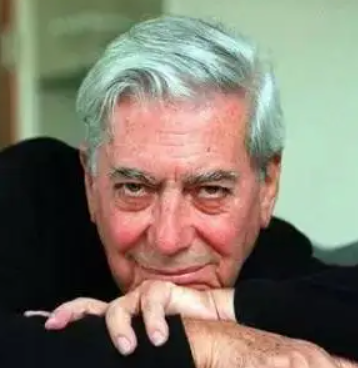
馬里奧·巴爾加斯·略薩
結(jié)構(gòu)寫實(shí)主義大師,于2010年獲諾貝爾文學(xué)獎(jiǎng)
To write is to resist, to fight against the injustices of the world with the power of words.
寫作就是抵抗,用文字的力量對(duì)抗世界的不公。
Literature is a fire that burns in the soul, illuminating the darkest corners of our existence.
文學(xué)是燃燒在靈魂中的火焰,照亮我們存在的最黑暗角落。
To read is to travel, to travel to other places, to other times, to other minds.
閱讀就是旅行,旅行到其他地方、其他時(shí)間、其他思想。
The power of literature lies in its ability to transport us to other worlds, to make us see the world through the eyes of others.
文學(xué)的力量在于它能夠?qū)⑽覀儙У狡渌澜纾屛覀兺ㄟ^他人的眼睛看世界。
A writer must be a witness to his or her time, must bear witness to the injustices and the sufferings of the world.
作家必須是他或她時(shí)代的見證者,必須見證世界的不公和苦難。
The novel is a mirror that reflects the world, but it is also a window that opens onto new possibilities.
小說是反映世界的鏡子,但也是打開新可能性的窗戶。
To write is to resist, to resist the forces that seek to silence us, to resist the forces that seek to control us.
寫作就是抵抗,抵抗那些試圖讓我們沉默的力量,抵抗那些試圖控制我們的力量。
The best literature is that which challenges us, which makes us think, which forces us to confront the uncomfortable truths of our existence.
最好的文學(xué)是挑戰(zhàn)我們、讓我們思考、迫使我們面對(duì)存在的不舒服真相的文學(xué)。
A writer is a person who is obsessed with language, with words, with the power of words to create worlds.
作家是一個(gè)癡迷于語言、文字和文字創(chuàng)造世界力量的人。
The novel is a lie that tells the truth, a lie that is more true than reality itself.
小說是講述真相的謊言,一種比現(xiàn)實(shí)本身更真實(shí)的謊言。