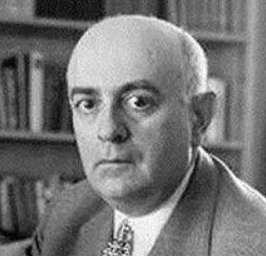
西奧多·阿多諾
社會批判理論的理論奠基者
The melancholy science from which I make this offering to my friend relates to a region that from time immemorial was regarded as the true field of philosophy, but which, since the latter's conversion into method, has lapsed into intellectual neglect, sententious whimsy, and finally oblivion.
我向我的朋友獻(xiàn)上的這種憂郁的科學(xué),涉及到一個自古以來被視為哲學(xué)真正領(lǐng)域的區(qū)域,但自從哲學(xué)轉(zhuǎn)變?yōu)榉椒ㄒ詠?,這個區(qū)域已經(jīng)陷入了知識的忽視、警句的奇想,最終被遺忘。
Freedom would be not to choose between black and white but to abjure such prescribed choices.
自由不是選擇黑白,而是放棄這種規(guī)定的選擇。
The culture industry not so much adapts to the reactions of its customers as it adjusts them.
文化產(chǎn)業(yè)與其說是適應(yīng)顧客的反應(yīng),不如說是在調(diào)整他們。
The splinter in your eye is the best magnifying-glass.
你眼中的碎片是最好的放大鏡。
To write poetry after Auschwitz is barbaric.
在奧斯維辛之后寫詩是野蠻的。
The task of art today is to bring chaos into order.
今天藝術(shù)的任務(wù)是將混亂帶入秩序。
Art is magic delivered from the lie of being truth.
藝術(shù)是從真理的謊言中解脫出來的魔法。
Wrong life cannot be lived rightly.
錯誤的生活無法正確地過。
The only philosophy which can be responsibly practiced in face of despair is the attempt to contemplate all things as they would present themselves from the standpoint of redemption.
面對絕望時,唯一可以負(fù)責(zé)任地實(shí)踐的哲學(xué)是試圖從救贖的角度來思考一切事物。