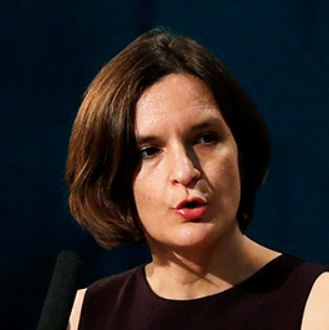
埃絲特·迪弗洛
發(fā)展經(jīng)濟(jì)學(xué)實(shí)驗(yàn)方法
The most effective policies are often the simplest ones.
最有效的政策往往是最簡(jiǎn)單的。
Education alone is not enough to lift people out of poverty; we need to address the broader system.
僅靠教育不足以讓人們擺脫貧困;我們需要解決更廣泛的系統(tǒng)問題。
The poor are often more entrepreneurial than the rich, but they lack the tools to succeed.
窮人往往比富人更具創(chuàng)業(yè)精神,但他們?nèi)狈Τ晒Φ墓ぞ摺?/div>
Poverty is not just about income; it’s about dignity and agency.
貧困不僅僅是收入問題;它還關(guān)乎尊嚴(yán)和自主權(quán)。
The best way to learn about poverty is to go out and talk to the poor themselves.
了解貧困的最佳方式是走出去,與窮人交談。
We need to design policies that account for human psychology, not just economic theory.
我們需要設(shè)計(jì)考慮到人類心理的政策,而不僅僅是經(jīng)濟(jì)理論。
Hope is a scarce resource in poor communities.
在貧困社區(qū),希望是一種稀缺資源。
The poor often have to make more complex financial decisions than the rich.
窮人常常不得不做出比富人更復(fù)雜的財(cái)務(wù)決策。
People’s behavior is shaped by their immediate environment more than we often realize.
人們的行為受其直接環(huán)境的影響比我們通常意識(shí)到的更大。
The key to fighting poverty is to break it down into smaller, more manageable problems.
抗擊貧困的關(guān)鍵是將它分解成更小、更易管理的問題。