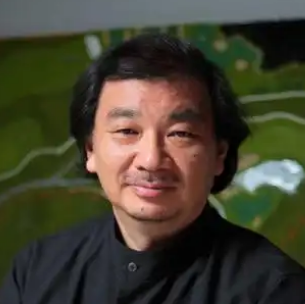
坂茂
人道主義建筑師
The test of true innovation is whether it makes life better for ordinary people.
真正創(chuàng)新的考驗(yàn)在于它是否能讓普通人的生活變得更好。
Architecture should not shout. It should whisper to people's lives.
建筑不應(yīng)該大喊大叫。它應(yīng)該對(duì)人們的生活輕聲細(xì)語。
Disaster relief architecture must be simple enough for victims to build themselves.
救災(zāi)建筑必須足夠簡(jiǎn)單,讓災(zāi)民能夠自己建造。
Every material has its own language. We need to listen to what it wants to be.
每種材料都有自己的語言。我們需要傾聽它想成為什么。
The temporary can become permanent if it serves people well.
如果服務(wù)得好,臨時(shí)的東西可以變成永久的。
Good design should be available to all, not just those who can afford it.
好的設(shè)計(jì)應(yīng)該面向所有人,而不僅僅是那些負(fù)擔(dān)得起的人。
When you have limitations, you have to be more creative.
當(dāng)你有局限時(shí),你必須更有創(chuàng)造力。
The beauty of architecture emerges from solving problems, not from decorating surfaces.
建筑之美來自于解決問題,而不是裝飾表面。
Sustainability is not just about materials but about sustaining people's lives and dignity.
可持續(xù)性不僅僅是關(guān)于材料,而是關(guān)于維持人們的生活和尊嚴(yán)。
After disasters, people lose not only their homes but their communities. Temporary housing should help rebuild both.
災(zāi)難過后,人們失去的不僅是家園,還有社區(qū)。臨時(shí)住房應(yīng)該幫助重建這兩者。