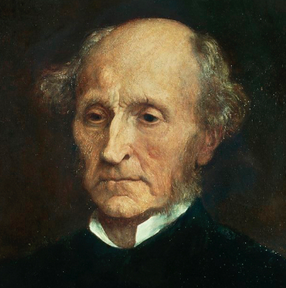
約翰·穆勒
功利主義的代表人物之一
實際情況中,人民的意愿指的不過是人民中人數(shù)最多或發(fā)言最積極那部分人的意愿;多數(shù)人,或那些成功地控制主流發(fā)言權的人可以利用他們的“民主權利”去壓迫他們以外的任何人。這種“多數(shù)人的暴政”和任何其他濫用權力的行為一樣,都需要采取措施來防止這種情況發(fā)生。因此,即使在一個擁有政府時時刻刻能被民眾審查的民主社會中,政府權力的限制依然未失去其重要性。
The will of the people, moreover, practically means the will of the most numerous or the most active part of the people; the majority, or those who succeed in making themselves accepted as the majority; the people, consequently may desire to oppress a part of their number; and precautions are as much needed against this as against any other abuse of power. The limitation, therefore, of the power of government over individuals loses none of its importance when the holders of power are regularly accountable to the community, that is, to the strongest party therein
一個有信仰的人,他的社會力量,是相等于九十九個僅僅只有著各自、各樣興趣的人。
One person with a belief is a social power equal to ninety-nine who have only interests.
作一個不滿足的人,勝過一只滿足的豬;作一個不幸的蘇格拉底,勝過作一個滿足的癡人。
It is better to be a human being dissatisfied than a pig satisfied; better to be Socrates dissatisfied than a fool satisfied.