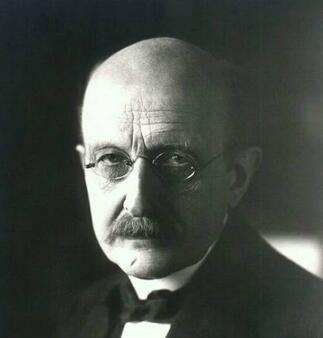
馬克斯·普朗克
量子力學(xué)創(chuàng)始人
自我是人類意識(shí)的直接指令。
我們無(wú)權(quán)假設(shè)任何物理定律存在,或者即使它們至今存在,它們將來(lái)也會(huì)以類似的方式繼續(xù)存在。
絕對(duì)確定性的假設(shè)是每一項(xiàng)科學(xué)研究的根本基礎(chǔ)。
科學(xué)無(wú)法解開(kāi)自然的終極奧秘。那是因?yàn)?,歸根結(jié)底,我們自己正是我們?cè)噲D解開(kāi)的奧秘的一部分。
任何認(rèn)真從事任何科學(xué)工作的人都會(huì)意識(shí)到,在科學(xué)殿堂的大門(mén)上方寫(xiě)著這樣的文字:你必須有信仰。
科學(xué)無(wú)法解決自然的最終奧秘。這是因?yàn)?,最終我們自己也是自然的一部分,因此也是我們?cè)噲D解決的奧秘的一部分。
一種新的科學(xué)真理并不是通過(guò)說(shuō)服其對(duì)手并讓他們看到光明而取得勝利,而是因?yàn)槠鋵?duì)手最終死去,一個(gè)熟悉它的新一代人成長(zhǎng)起來(lái)。
Anybody who has been seriously engaged in scientific work of any kind realizes that over the entrance to the gates of the temple of science are written the words: Ye must have faith.
Science cannot solve the ultimate mystery of nature. And that is because, in the last analysis, we ourselves are part of nature and therefore part of the mystery that we are trying to solve.
A new scientific truth does not triumph by convincing its opponents and making them see the light, but rather because its opponents eventually die, and a new generation grows up that is familiar with it.