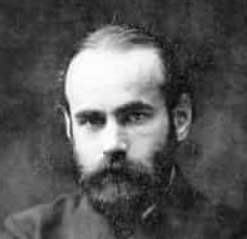
馬克斯·韋特海默
德國心理學(xué)家、格式塔心理學(xué)的創(chuàng)始人和主要代表
格式塔心理學(xué)的基本原則是,心靈形成一個具有自組織傾向的全局整體
When people are faced with a problem, they often think in terms of past experiences rather than looking at the actual structure of the problem.
當(dāng)人們面對問題時,他們常常根據(jù)過去的經(jīng)驗(yàn)思考,而不是看問題的實(shí)際結(jié)構(gòu)
Thinking consists in envisaging, realizing structural features and structural requirements.
The Gestalt principles of organization are fundamental to understanding how we perceive the world around us.
格式塔的組織原則對于理解我們?nèi)绾胃兄車澜缰陵P(guān)重要。
The process of perception is not a simple matter of recording sensory data but involves the active organization of that data into meaningful patterns.
感知過程不僅僅是記錄感官數(shù)據(jù),而是涉及將這些數(shù)據(jù)主動組織成有意義的模式。
The mind is not a passive recipient of sensory information but an active participant in the process of perception.
心靈不是感官信息的被動接受者,而是感知過程中的積極參與者。
The essence of Gestalt psychology is to understand the laws of the organization of the whole.
格式塔心理學(xué)的本質(zhì)是理解整體組織的規(guī)律。
In the realm of perception, the whole is not only more than but also very different from the sum of its parts.
在感知領(lǐng)域,整體不僅大于其部分之和,而且與其部分之和非常不同。
The Gestalt approach emphasizes the importance of understanding the context in which a problem occurs, rather than focusing solely on the problem itself.
格式塔方法強(qiáng)調(diào)理解問題發(fā)生的背景的重要性,而不是僅僅關(guān)注問題本身。
When people are confronted with a problem, they often try to solve it by breaking it down into smaller parts. But sometimes, the solution lies in seeing the problem as a whole.
當(dāng)人們面對問題時,他們常常試圖通過將其分解成更小的部分來解決它。但有時,解決方案在于將問題視為一個整體。
The fundamental 'formula' of Gestalt theory might be expressed in this way: There are wholes, the behavior of which is not determined by that of their individual elements, but where the part-processes are themselves determined by the intrinsic nature of the whole.