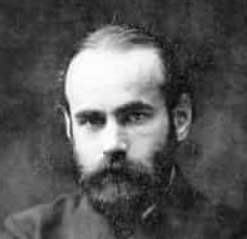
馬克斯·韋特海默
德國心理學(xué)家、格式塔心理學(xué)的創(chuàng)始人和主要代表
思考的過程不是一系列分離的步驟,而是結(jié)構(gòu)轉(zhuǎn)換的連續(xù)流動(dòng)。
真理不僅僅是邏輯或孤立事實(shí)的問題,而是情境的結(jié)構(gòu)特征問題。
問題的真實(shí)本質(zhì)往往被其表面現(xiàn)象所掩蓋。
一個(gè)過程不是其各部分的總和,而是力量的動(dòng)態(tài)相互作用。
思考的過程不僅僅是把一件事加到另一件事上;它在于觀察結(jié)構(gòu)特征和結(jié)構(gòu)要求的操作。
格式塔理論的基本公式可以這樣表達(dá):存在一些整體,它們的行為不是由其個(gè)體元素決定的,而是部分過程本身由整體的內(nèi)在性質(zhì)決定。
整體不同于其各部分的總和。
The laws of organization govern all mental processes.
組織規(guī)律支配著所有的心理過程
In productive thinking, the transition from blind manipulation to understanding is crucial.
在創(chuàng)造性思維中,從盲目操作到理解的轉(zhuǎn)變至關(guān)重要
True understanding comes from grasping the inner structural relationships of a problem.
真正的理解來自于把握問題的內(nèi)在結(jié)構(gòu)關(guān)系
The brain is not a passive recipient of stimuli but an active organizer of perception.
大腦不是刺激的被動(dòng)接受者,而是知覺的主動(dòng)組織者
The process of grouping, of organization, is not arbitrary but follows definite laws.
分組和組織的過程不是任意的,而是遵循明確的規(guī)律
Productive thinking is characterized by the sudden appearance of the solution as an insight.
創(chuàng)造性思維的特點(diǎn)是解決方案突然以頓悟的形式出現(xiàn)
The fundamental principle of gestalt psychology is that the mind forms a global whole with self-organizing tendencies.
- «
- »