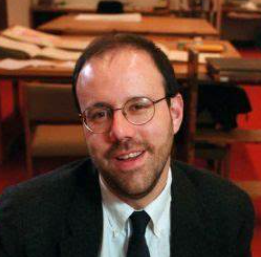
邁克爾·克雷默
發(fā)展經(jīng)濟(jì)學(xué)實(shí)驗(yàn)方法
There's no one-size-fits-all solution to development challenges.
發(fā)展挑戰(zhàn)沒(méi)有放之四海而皆準(zhǔn)的解決方案。
Institutions matter more than we sometimes acknowledge.
制度的重要性有時(shí)比我們承認(rèn)的要大。
The best anti-poverty program is a growing economy with good jobs.
最好的扶貧計(jì)劃是一個(gè)能提供好工作的增長(zhǎng)型經(jīng)濟(jì)。
We need to design policies that work with human psychology, not against it.
我們需要設(shè)計(jì)符合人類(lèi)心理的政策,而不是與之相悖。
Human capital is the most important asset any country has.
人力資本是任何國(guó)家最重要的資產(chǎn)。
Evidence-based policymaking leads to better outcomes.
The poor face constraints that are often invisible to policymakers.
窮人面臨的約束往往是政策制定者看不到的。
Development economics is ultimately about improving people's lives.
發(fā)展經(jīng)濟(jì)學(xué)最終是為了改善人們的生活。
We should measure success by outcomes, not just inputs.
我們應(yīng)該用結(jié)果來(lái)衡量成功,而不僅僅是投入。
Economic growth must be inclusive to be sustainable.
經(jīng)濟(jì)增長(zhǎng)必須具有包容性才能持續(xù)。