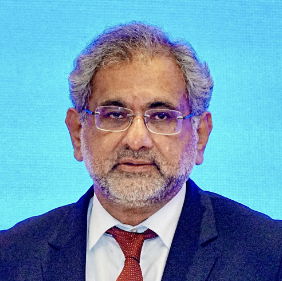
阿巴希·巴納吉
2019年諾貝爾經(jīng)濟(jì)學(xué)獎(jiǎng)得主
Sometimes the best way to help the poor is to give them cash and let them decide how to spend it.
有時(shí)幫助窮人的最好方式是給他們現(xiàn)金,讓他們自己決定如何使用它。
The poor are not just passive victims; they are active agents trying to navigate a difficult world.
窮人不僅僅是消極的受害者;他們是試圖在艱難世界中航行的積極行動(dòng)者。
Understanding the real lives of the poor is the first step toward designing effective policies to help them.
了解窮人的真實(shí)生活是設(shè)計(jì)有效政策幫助他們第一步。
The poor are often forced to make choices that no one should have to make.
窮人常常被迫做出沒有人應(yīng)該做出的選擇。
We need to think about poverty not as a monolithic problem but as a series of interconnected issues that require tailored solutions.
我們需要將貧困視為一系列相互關(guān)聯(lián)的問題,而不是一個(gè)單一的問題,這些問題需要量身定制的解決方案。
Policy should be based on evidence, not ideology.
政策應(yīng)該基于證據(jù),而不是意識(shí)形態(tài)。
The poor are not irrational; they are just as rational as anyone else, but they operate under very different constraints.
窮人并非不理性;他們和任何人一樣理性,但他們?cè)诜浅2煌募s束下行動(dòng)。
Small changes can have big effects when they help people break out of the poverty trap.
當(dāng)幫助人們擺脫貧困陷阱時(shí),微小的改變可以產(chǎn)生巨大的影響。
The poor often lack the information needed to make good choices, and when they do have it, they often don’t trust it.
窮人往往缺乏做出正確選擇所需的信息,而即使他們擁有這些信息,也常常不信任它。
Poverty is not just a lack of money; it’s about having so little that you can’t even afford to make the right decisions.
貧窮不僅僅是缺錢;它是關(guān)于擁有的太少以至于你甚至無法做出正確的決定。
- «
- »