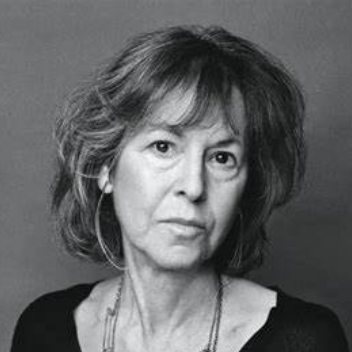
路易絲·格呂克
詩歌藝術(shù)的革新者
We look at the world once, in childhood. The rest is memory.
我們只在童年時(shí)看過一次世界。其余都是記憶。
"Poetry is the language of the soul, and the soul speaks in images."
詩歌是靈魂的語言,靈魂用圖像說話。
"The poet's job is to find the words that will make the invisible visible."
詩人的工作是找到使不可見變?yōu)榭梢姷脑~語。
"The poem is a place where the unsayable can be said."
詩歌是一個(gè)可以說出不可言說之物的地方。
"Poetry is a way of thinking, a way of being in the world."
詩歌是一種思考方式,一種存在于世界的方式。
"The task of the poet is to give voice to what is otherwise unspeakable."
詩人的任務(wù)是表達(dá)那些無法言說的事物。
"The poem is not a closed field, but an open one, and the reader is invited to enter."
詩歌不是一個(gè)封閉的領(lǐng)域,而是一個(gè)開放的領(lǐng)域,讀者被邀請進(jìn)入。
"The poet is the one who breaks the silence, who speaks first, who dares to speak."
詩人是打破沉默的人,是第一個(gè)說話的人,是敢于說話的人。
"The advantage of poetry over life is that poetry, if it is sharp enough, may last."
詩歌優(yōu)于生活的地方在于,如果它足夠尖銳,可能會(huì)持久。
"I think it is in the nature of poetry to be open to the world, to be open to experience, to be open to the other."
我認(rèn)為詩歌的本質(zhì)是對世界開放,對經(jīng)驗(yàn)開放,對他人開放。