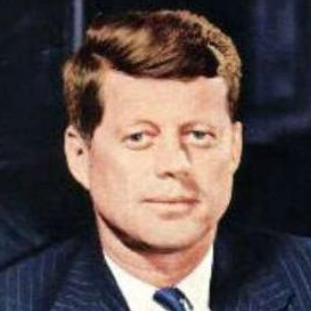
肯尼迪
美國(guó)第35任總統(tǒng)
我們決定在這十年間登上月球并實(shí)現(xiàn)更多,并非它們輕而易舉,而正是因?yàn)樗鼈兝щy重重。因?yàn)檫@個(gè)目標(biāo)將促進(jìn)我們實(shí)現(xiàn)最佳的組織并測(cè)試我們頂尖的技術(shù)和力量,因?yàn)檫@個(gè)挑戰(zhàn)我們樂(lè)于接受,因?yàn)檫@個(gè)挑戰(zhàn)我們不愿推遲,因?yàn)檫@個(gè)挑戰(zhàn)我們志在必得,其他的挑戰(zhàn)也是如此。
We choose to go to the moon in this decade and do the other things, not because they are easy, but because they are hard, because that goal will serve to organize and measure the best of our energies and skills, because that challenge is one that we are willing to accept, one we are unwilling to postpone, and one which we intend to win, and the others, too.
——1963年6月25日在西德市政廳柏林墻前的演說(shuō)
——1963年6月25日在西德市政廳柏林墻前的演說(shuō)
——1963年6月25日在西德市政廳柏林墻前的演說(shuō)
為了如今仰望太空,注視月球和遙看繁星的人們,我們發(fā)誓,我們決不允許太空被那些敵對(duì)國(guó)家(原文為旗幟)所征服,我們會(huì)看到自由與和平的旗幟在飄揚(yáng)。(1962年我們選擇登月演說(shuō))
For the eyes of the world now look into space, to the moon and to the planets beyond, and we have vowed that we shall not see it governed by a hostile flag of conquest, but by a banner of freedom and peace.
——在柏林墻演說(shuō)
人將會(huì)死,國(guó)家會(huì)建立亦會(huì)傾頹;但思想將永遠(yuǎn)長(zhǎng)存。思想可承受的遠(yuǎn)大過(guò)死亡。
A man may die, nations may rise and fall, but an idea lives on. Ideas have endurance without death.
追根究底,我們最基本的共同聯(lián)系是我們都生活在這個(gè)小型行星。我們都呼吸著相同的空氣。我們都珍惜我們孩子的未來(lái)。我們都是凡人。
For in the final analysis, our most basic common link is that we all inhabit this small planet. We all breathe the same air. We all cherish our children's futures. And we are all mortal.