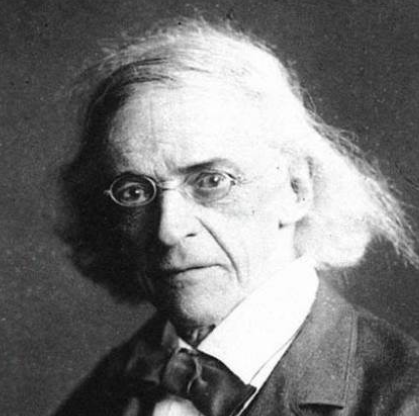
特奧多爾·蒙森
歷史學(xué)巨匠
The world's history is the world's judgment.
世界歷史就是世界的審判。
The historian's first duty is to tell the truth as he sees it, regardless of whom it pleases or displeases.
歷史學(xué)家的首要職責(zé)是如實(shí)講述他所見的真相,無論這會取悅還是觸怒何人。
The final reward of the dead is to live on in the memory of the living.
死者最終的獎賞就是活在生者的記憶中。
The law is reason, free from passion.
法律即理性,應(yīng)當(dāng)擺脫激情。
The greatest happiness is to despise what deserves to be despised.
最大的幸福就是蔑視那些應(yīng)當(dāng)被蔑視的事物。
The strong man is strongest when alone.
強(qiáng)者獨(dú)處時(shí)最為強(qiáng)大。
Injustice is relatively easy to bear; what stings is justice.
不公正相對容易忍受;真正刺痛人的是公正。
The historian must be a poet and an artist in order to give life to the dead bones of the past.
歷史學(xué)家必須成為詩人和藝術(shù)家,才能賦予過去枯骨以生命。
History has neither the venerable age of the earth nor the innocence of the child; it is always the result of human passions and human errors.
歷史既沒有地球的古老,也沒有孩子的純真;它始終是人類激情與錯(cuò)誤的產(chǎn)物。
The historian is a prophet in reverse.
歷史學(xué)家是反向的先知。